
<img src="https://secure.leadforensics.com/77233.png" alt="" style="display:none;">

H2-gas en de bijbehorende sensor

Inleiding tot waterstof

Hydrogen (H₂) is a colorless, odorless, highly flammable gas widely used in industries including energy, refining and chemical manufacturing.

Because it cannot be detected by human senses and ignites easily over a wide range of concentrations, hydrogen presents a significant safety risk.

Reliable hydrogen gas detection is essential for identifying leaks early and helping protect workers, facilities and operations.

Hydrogen Gas Characteristics

  • Kleurloos 
  • Reukloos 
  • Smaakloos 
  • Zeer brandbaar 
  • Flammable at concentrations between 4% and 75% by volume
  • Very low ignition energy
  • Lighter than air and prone to accumulation at height
pictogram ghs brandbaar - voorbeelden zijn stikstofoxiden, geconcentreerde ammoniakoplossingen, watervrije ammoniak
pictogram ghs giftig - voorbeelden zijn onder meer salpeterzuur, dat alkalimetalen kan oplossen en schade kan toebrengen aan de luchtwegen van werknemers, en ammoniumchloride
pictogram-ghs-gecomprimeerd-gas-of-gecomprimeerde-vloeistof
GHS corrosief WHMIS - voorbeelden zijn zwavelzuur en salpeterzuur, inclusief ammoniumhydroxide, een corrosief gas
De-Risk Your
Hydrogen Operations

MEER INFORMATIE

Why Hydrogen Needs Dedicated Detection

Understanding hydrogen's unique properties is key to recognizing where leaks can occur, how quickly they can become hazardous, and why reliable gas detection is essential.

  • Difficult to contain:
    Hydrogen is the smallest molecule, making it more likely to escape through tiny leaks.

  • Wide flammable range: Hydrogen is flammable in air at concentrations between 4% and 75%, creating a broad range of ignition risk.

  • Extremely easy to ignite: Hydrogen requires very little energy to ignite: even a small static discharge can be enough.

  • Invisible flame:
    Hydrogen burns with a nearly invisible flame, making fires difficult to detect without specialized equipment.


A high-risk scenario based on hydrogen demand from the International Energy Agency (IEA) net-zero scenario (528 million tons [Mt] by 2050) (IEA 2021) could potentially lead to a 5.6 percent economy-wide leakage rate.

(Source: Columbia University Policy Paper)

Scenario's met een hoog risico

  • Chemical Plants:  Hydrogen is a key feedstock in ammonia and methanol production. Because it's highly flammable and can easily escape through small openings, early leak detection is essential to keeping those processes running safely. 
  • Petroleum Refineries: Hydrogen is essential to refining processes, particularly hydrocracking and desulfurization, making reliable leak detection a key part of safe operations. Gas detectors can measure the levels of hydrogen in the high-pressure hydrogen systems in refineries. 
  • Hydrogen Fueling Stations: As the demand for cleaner fuel increases, more hydrogen fueling stations are coming online. These stations need connected safety systems and gas detectors to detect and mitigate leaks, and proper emergency protocols to handle potential fires or explosions. 
  • Storage Facilities: Hydrogen is stored at large scale as a compressed gas or cryogenic liquid. Storage tanks must be designed to withstand high pressures and extreme temperatures, and facilities must have measures in place to quickly disperse any hydrogen that escapes to prevent accumulation and potential ignition (AIChE) (NREL Home). 
  • Transportation: Hydrogen is transported in high-pressure pipelines and cryogenic tankers. The integrity of these transportation systems is critical to prevent leaks and ruptures, which can lead to fires or explosions. Safety measures include rigorous inspection protocols and maintenance schedules to ensure the pipelines and tankers remain secure (NREL Home). 

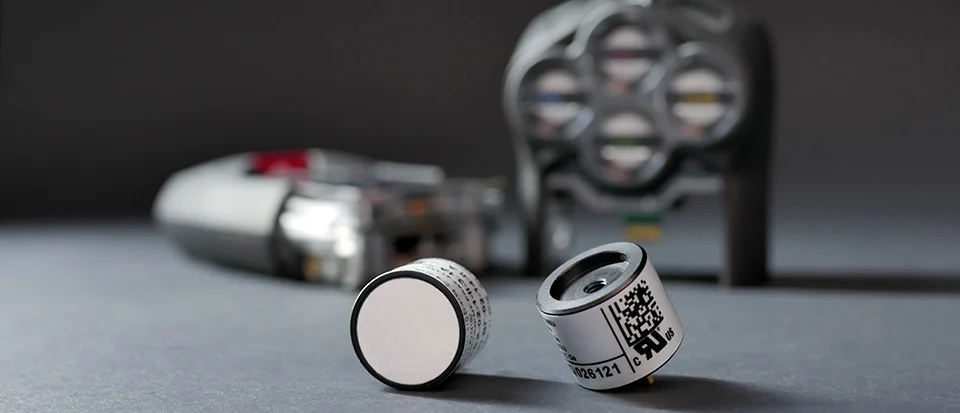
H2 Sensor Info

Type: Electrochemical
Range: 0–40,000 ppm
Resolution: 400 ppm

H2 gas detection sensors
Standaard alarmniveaus

Laag alarm: 4.000 ppm
Hoog alarm: 8.000 ppm

Blackline-apparaten die H2 kunnen detecteren

Vragen over de detectie van H2?

NEEM CONTACT MET ONS OP

Speciale toepassingen en overwegingen

  • Stored: Hydrogen gas detection is crucial in environments where hydrogen is used or stored, such as refineries, chemical plants, and laboratories. Considerations should be made for potential sources of hydrogen generation, such as electrolysis, steam reforming, and biomass gasification. 
  • Lage viscositeit: Waterstof brengt vanwege zijn unieke eigenschappen verschillende industriële risico's met zich mee. Het vermogen om door sommige vaste materialen te diffunderen kan leiden tot verbrossing en systeemstoringen. Als kleinste van alle moleculen heeft waterstof een zeer lage viscositeit, waardoor het moeilijk is om lekken te voorkomen. Door zijn hoge drijfvermogen stijgt waterstof wanneer het vrijkomt en kan het zich op grote hoogte verzamelen.
  • Highly Flammable: Hydrogen’s high flammability range and very low ignition energy (0.02mJ, which is 1/10th that of methane) mean even small sparks, such as those from clothing, can cause ignition, leading to explosions.
  • Onzichtbaar: Waterstof brandt bij daglicht met een onzichtbare vlam, waardoor detectie zonder toegevoegde kleur moeilijk is. Er is spontane ontbranding van plotseling vrijgekomen waterstof waargenomen, maar het mechanisme hiervan is nog onbekend. De hoge verbrandingssnelheid en vlamsnelheid leiden tot hogere explosiedrukken en snellere drukstijgingen, waardoor explosieve mengsels gevoeliger zijn voor detonatie dan andere gangbare brandbare gassen.
  • Liquid Form: Liquified hydrogen, often transported at -253°C, can cause severe burns upon contact, and the vaporized gas may burn or explode.

Gezondheidsrisico's en omgang met H2

concentratie
symptomen/effecten
0 - 0,5 ppm
Geen significante gezondheidseffecten; waterstof is van nature in zeer kleine hoeveelheden in de lucht aanwezig.
0,6 - 23 ppm
Geen significante gezondheidseffecten; concentraties binnen dit bereik worden nog steeds als zeer laag en veilig voor blootstelling beschouwd.
24 - 29 ppm
Geen significante gezondheidseffecten; waterstof blijft bij deze concentratie zeer laag en vormt geen gezondheidsrisico.
30 - 49 ppm
Geen significante gezondheidseffecten; deze concentraties zijn nog steeds laag en vormen geen gezondheidsrisico.
50 - 71 ppm
Geen significante gezondheidseffecten; concentraties liggen nog steeds binnen een bereik dat als veilig wordt beschouwd.
72 - 139 ppm
Geen significante gezondheidseffecten; deze concentraties zijn nog steeds niet schadelijk.
140 - 499 ppm
Geen significante gezondheidseffecten; nog steeds binnen veilige blootstellingslimieten.
500 - 1499 ppm
Geen significante gezondheidseffecten; waterstof is niet giftig en deze concentraties worden over het algemeen als veilig beschouwd.
1500 - 2499 ppm
Geen significante gezondheidseffecten; waterstof is niet giftig en deze concentratie is doorgaans niet gevaarlijk.
2500 - 4500 ppm
Geen significante gezondheidseffecten; hoewel waterstof niet giftig is, moet ervoor worden gezorgd dat zuurstof niet wordt verdrongen.
5000 ppm +
Bij zeer hoge concentraties kan waterstof zuurstof in de lucht verdringen, wat kan leiden tot verstikking. Symptomen van verstikking zijn onder meer duizeligheid, hoofdpijn, kortademigheid, bewusteloosheid en mogelijk overlijden als de blootstelling zonder ingrijpen voortduurt.

Gezondheidsrisico's en omgang met H2

Hydrogen is non-toxic and poses no direct health risk through exposure at normal concentrations (0 - 2499 ppm).

The primary hazard at very high concentrations is oxygen displacement, which can lead to asphyxiation (2500ppm +).

H2 eerste hulp
EHBO
  • Inhalation: Remove to fresh air and keep at rest in a position comfortable for breathing. If not breathing, give artificial respiration. If breathing, trained personnel should give oxygen. Call a physician.
  • Skin Contact: Adverse effects not expected from this product (unless liquified).
  • Eye Contact: Immediately flush eyes thoroughly with water for at least 15 minutes. Hold the eyelids open and away from the eyeballs to ensure that all surfaces are flushed thoroughly. Get immediate medical attention.
H2 gevaren
BIJ ONGEWILD VRIJKOMEN
  • Evacueer het gebied onmiddellijk en waarschuw het personeel in de buurt.
  • Voorkom ontstekingsbronnen, waaronder open vuur, vonken en elektrische apparatuur.
  • Ventileer de ruimte om het waterstofgas veilig te verspreiden.

AANBEVOLEN BRONNEN

Brandbaar gas en de detectie ervan

Brandbare gassen vormen een van de grootste risico's voor industriële installaties. Deze uitgebreide whitepaper behandelt zowel de basisprincipes als de nieuwste ontwikkelingen op het gebied van LEL-detectietechnologie.